
Broadcast Systems Integration
 +44 (0)7887 673 702
Broadcast Systems Integration
+44 (0)7887 673 702
not all 1/4" jacks are made equal

A ¼" jack is a ¼" jack, right? Well… not quite.
To most people, the familiar ¼" jack plug looks like a fairly universal bit of kit. But in professional audio, broadcast and communications systems, there are several subtly different versions, and using the wrong one can cause problems that aren't immediately obvious.
B-gauge is the name generally used today for the professional ¼" jack format developed from connectors used in the British telephone system. You may also hear them referred to as GPO, BPO or PO316 jacks. GPO refers to the General Post Office, which operated the UK's telephone network before the creation of British Telecom. BPO refers to the British Post Office. Whatever name you use, the important thing is that a B-gauge plug is not the same as a standard A-gauge ¼" plug.
Sample text. Click to select the Text Element.
The A-gauge design evolved as a more general-purpose ¼" connector. It became the familiar "domestic" or standard ¼" jack used for things like guitars, headphones, amplifiers and general audio equipment. It follows the later EIA RS-453 / IEC dimensional standard.
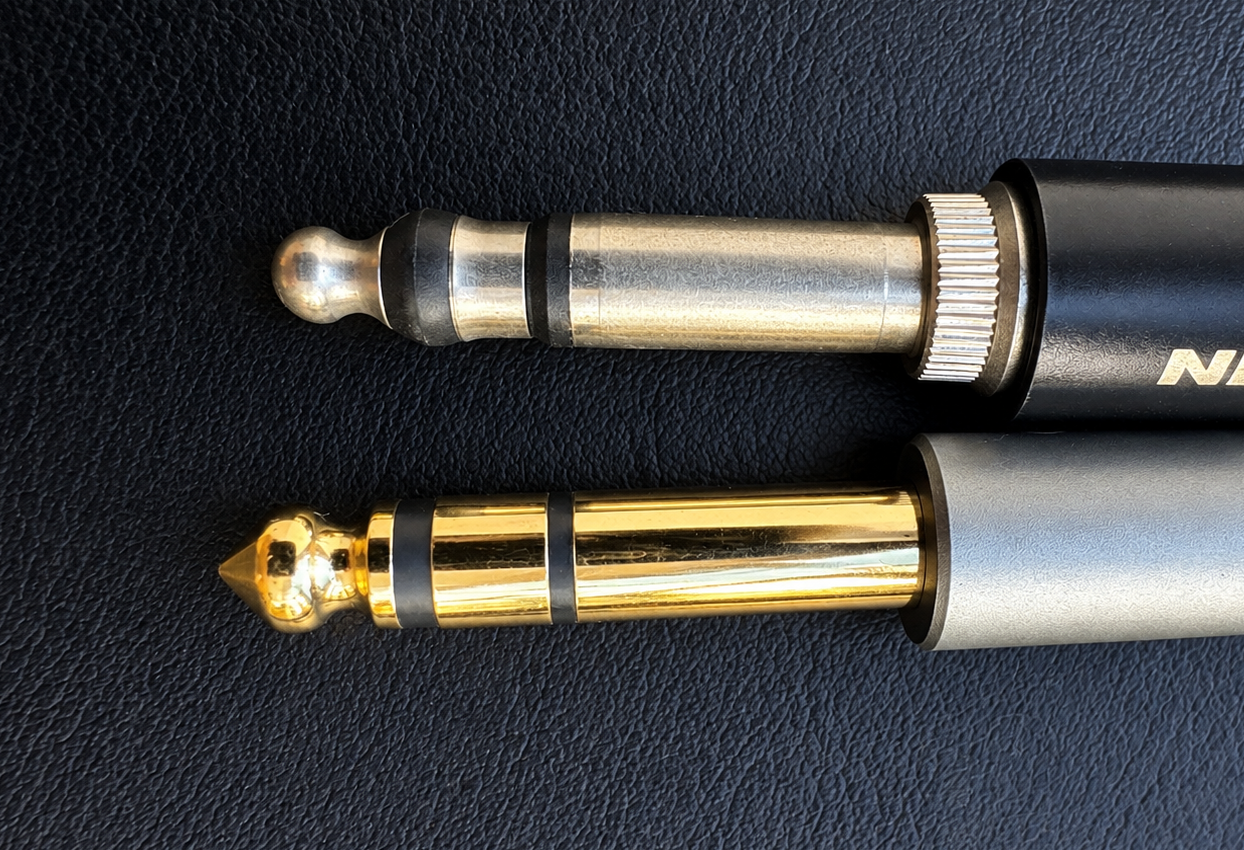
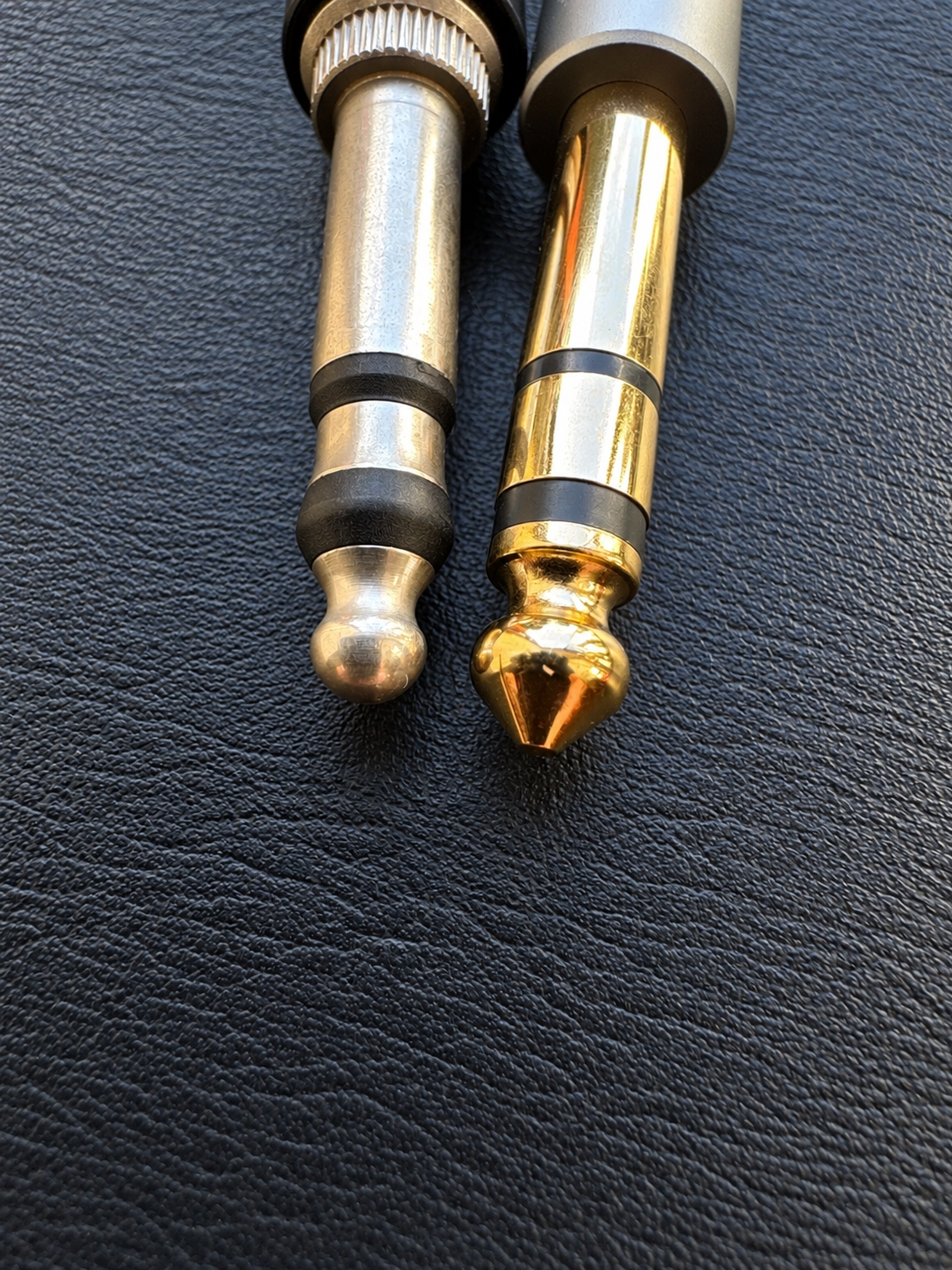
Both plugs are 1/4" diameter [ 6.35mm in new money ] but as you can see from the below picture of them lying side-by side, they have some subtle and some not so subtle differences
they are roughly the same length, bit you can see quite clearly that the tips are very different in shape, The GPO tip is very rounded, and was designed to be plugged and replugged repeatedly. The A-guage tip is larger and more pointed.
But the difference isn't limited to the rounded tip. More subtly the ring of the GPO is also smaller and slightly recessed, giving the plug its distinctive stepped profile. The screen may be 1/4" but the ring and tip are progressively smaller.
This geometry is quite deliberate. The contacts inside a GPO jackfield are designed to follow these changes in diameter as the plug is inserted, reducing the amount they have to flex and helping maintain reliable contact over repeated patching.
It is one of those details that is easy to miss until you put a B-gauge and A-gauge plug side by side. They may both be described as ¼" jacks, but mechanically they are very different beasts.
The A-gauge uses the 1/4" geometry throughout on Tip, Ring and Sleeve [TRS]
The problem arises when they are are used for the wrong purpose. If for example you used a GPO lead for a guitar by mistake, you would undoubtedly have issues with the signal, as the tip will not mate very well with the contacts of the socket. You would notice it strainght away and change the lead.
What is more problematic, and I have seen this first hand in audio studios, is when a standard A-gauge lead is used in a GPO audio patch panel. Some music studios have both types of lead readily available, GPO for audio signal patching and A-gauge for instruments and other equipment, so it is an easy mistake to make.
Initially, there may not appear to be a problem. The springs inside the socket can accommodate the larger A-gauge tip and ring, and everything seems to work normally.
So what's the problem then ?
Well, every time that larger plug is inserted, the contact springs are being pushed further than they were designed to go. Do it often enough and they can become permanently deformed and may not return to their original position.
The next time someone comes along with the correct GPO lead, the contacts may no longer make reliable contact. The result can be intermittent audio, or no signal at all.
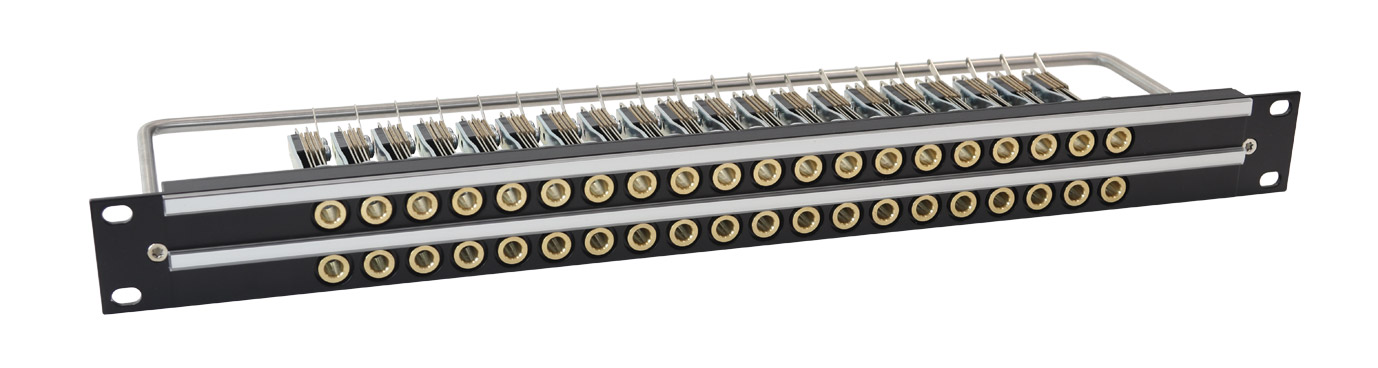
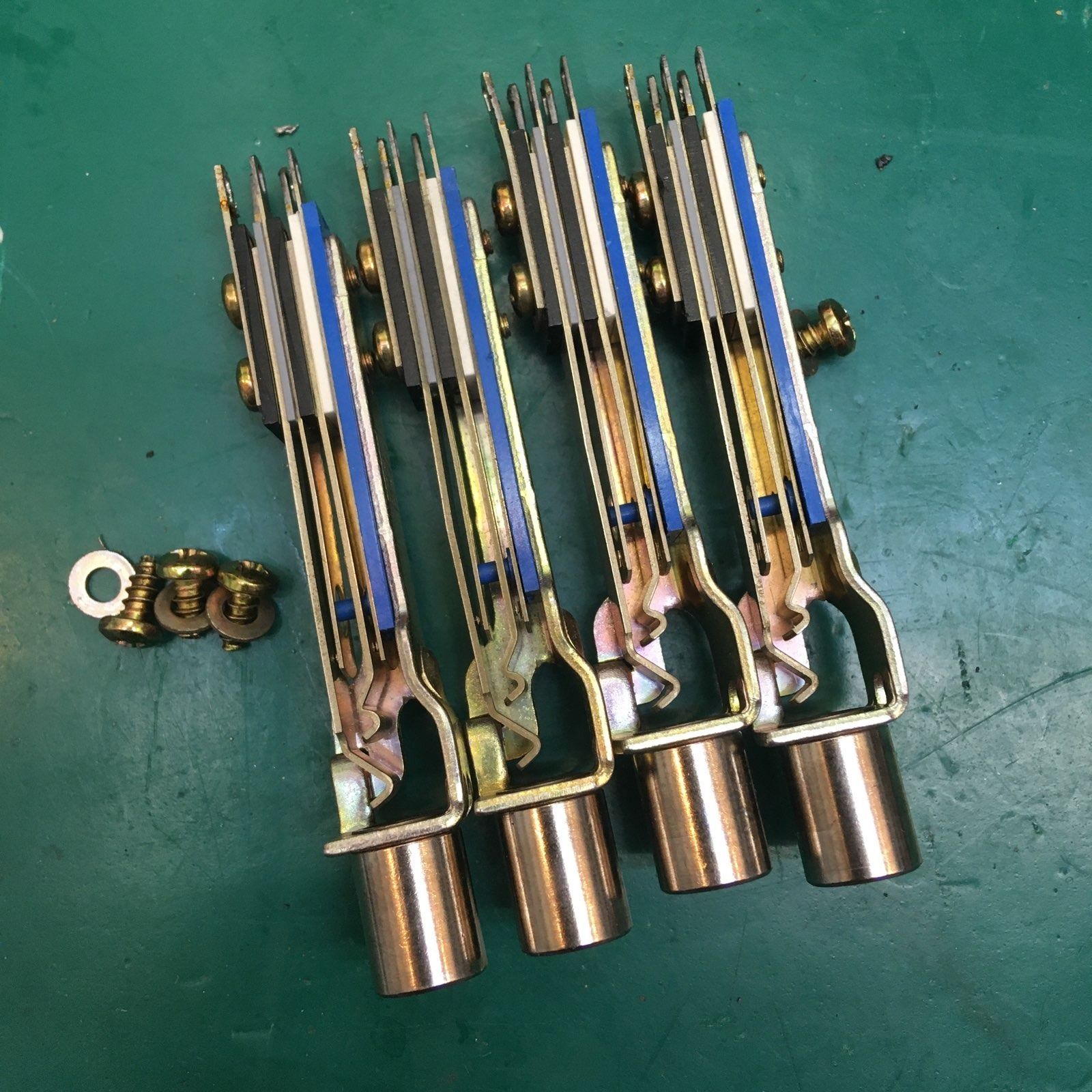
Avoid using A-gauge 1/4" leads on broadcast audio patch panels, as you will deform the panel socket internal springs, and cause audio issues when patching.